7 Common Mistakes When Brewing Loose-Leaf Tea (and How to Fix Them)
You bought good tea. You measured it. You even waited for the kettle. And somehow the cup tastes flat, bitter, or just plain dull. That is usually not the tea's fault. Loose-leaf tea is forgiving in some ways and fussy in others, and most disappointing pots come down to one of a handful of repeatable mistakes. Fix them and the same leaves will taste noticeably better tomorrow morning.
1. Pouring Water That's Too Hot
Boiling water is wonderful for a strong black breakfast blend and ruinous for almost everything else. Green tea, white tea, and most oolong will scorch at a full rolling boil, releasing bitter compounds while the sweeter, more delicate flavours stay locked in the leaf. The result is a cup that tastes sharp and grassy in the wrong way — like over-steeped spinach rather than fresh peas.
The fix is easier than buying a temperature-controlled kettle. Boil your water, then let it sit:
- Green tea: about 70–80°C. Off the boil for three to four minutes.
- White tea: about 80–85°C. Off the boil for two to three minutes.
- Oolong: about 85–95°C, depending on how heavily it's roasted.
- Black tea: 95°C to just-boiled, especially for Assam and breakfast blends.
- Pu-erh and most herbal infusions: full boil, straight on the leaves.
If you drink green tea often, a simple thermometer costs little and removes the guesswork entirely. Listening to the kettle helps too: a low rumble is roughly 70°C, a steady stream of bubbles around 80–85°C, and a full churn means it's time to wait.
2. Getting the Leaf-to-Water Ratio Wrong
Most people under-leaf and over-steep. That combination is the classic reason a cup tastes both weak and bitter — thin body up front, harsh finish at the back. Scooping a teaspoon of tea into a big mug is a habit borrowed from teabags, which are ground fine and designed to give up everything in three minutes.
Whole-leaf tea needs more room to work. A reliable starting point is one gram of leaf per 100ml of water, which works out to roughly a heaped teaspoon of most loose leaves in a 250ml cup. Dense teas like rolled oolong or pearl-shaped green tea weigh more per spoon, so use less. Big, fluffy leaves like white peony take up far more space, so use more.
Weigh your tea once or twice if you have a kitchen scale. After that you'll know what a proper spoonful looks like in your own hand, and you can stop thinking about it.
3. Steeping by the Clock Instead of by Taste
Timing charts are useful guides, not laws. The same Darjeeling will behave differently depending on its harvest, how long it's been in your cupboard, and how hot your water actually was. Following a three-minute rule blindly when your water is at a furious boil will still give you a bitter cup.
Use the clock as a starting point, then taste. Lift the lid or the infuser basket and sip at the two-minute mark. If it's thin, give it another thirty seconds. If it's already drying your tongue, pull the leaves out. Within two or three sessions with a new tea, you'll know its sweet spot.
Why the Second Steep Often Tastes Better
Good whole-leaf tea is built for more than one infusion. The first pour wakes the leaf up; the second and third often give you the fullest, roundest flavour. Add roughly fifteen to thirty seconds to each subsequent steep, and keep the water at the same temperature. If your second cup is watery, your first steep was probably too long.
4. Crowding the Leaves
Tea needs to move. When leaves are crammed into a small infuser with no room to unfurl, water can't circulate around them properly, and you get an uneven brew — some leaves over-extracted, others barely touched. This is especially noticeable with hand-rolled oolong or large-leaf white tea, which can expand to several times their dry size.
If your leaves come out of the pot still partly curled, they didn't have room to open. Give them more space next time.
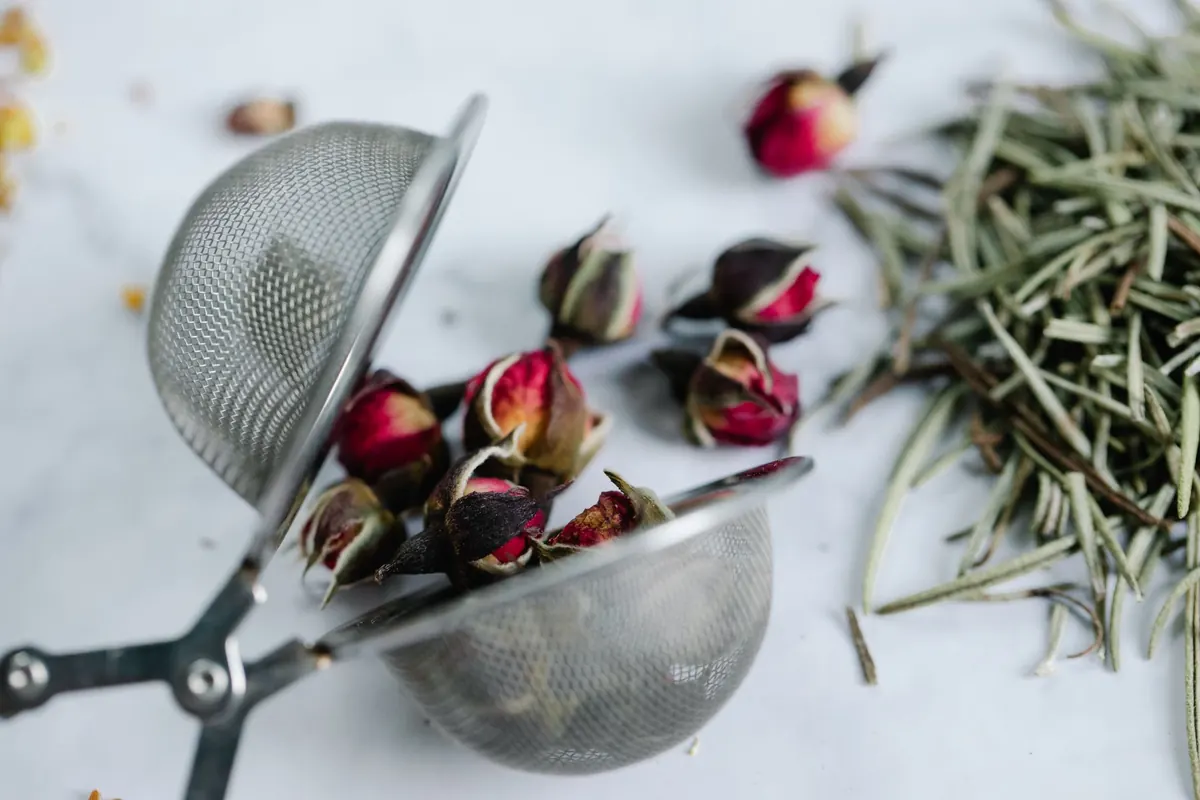
Choose a basket or strainer that fills no more than half the vessel once the leaves have expanded. If you're brewing in a small teapot, use less tea rather than pressing it down. A gaiwan or a simple glass pitcher with a strainer gives leaves far more freedom than a narrow mesh ball.
5. Storing Tea Where It Can't Survive
Tea is a dried leaf, and dried leaves are enthusiastic sponges. They absorb moisture, kitchen smells, and stale air with remarkable speed. The decorative tin on the windowsill, the paper bag rolled shut with a clip, the jar next to the spice rack — all of these will flatten your tea within weeks.
What tea actually wants is simple: airtight, opaque, cool, dry, and away from anything strongly scented. A sealed tin in a cupboard works well. A clear glass jar in sunlight does not. If you buy tea in a foil pouch with a zip seal, keep it in there and press the air out before closing.
Buy in quantities you'll finish in a few months rather than stocking up for a year. Green and lightly oxidised teas fade fastest and are best drunk within six months or so; roasted oolongs and pu-erh hold up much longer. If a tea has gone flat and lifeless, no brewing adjustment will bring it back.
6. Ignoring Your Water
Your cup is roughly 99% water, so it matters more than most people expect. Very hard water makes tea taste dull and slightly chalky, and heavy chlorine flattens delicate aromas entirely. If your tap water tastes fine on its own, it will probably make decent tea. If it tastes strongly of minerals or chemicals, it won't.
Filtered water is the easiest improvement. Bottled spring water with a moderate mineral content works well too. Avoid distilled or heavily softened water — tea needs some minerals to extract properly, and stripped water gives a thin, hollow brew.
7. Preheating Nothing
A cold teapot steals heat from your carefully tempered water the moment you pour. The first steep ends up several degrees cooler than intended, which is why the same tea tastes different at a friend's house. It takes ten seconds to fix: pour a little hot water into the pot or cup, swirl it, and tip it out before adding the leaves. Your water then stays at the temperature you chose, and your timing becomes predictable.
A Short Checklist for Better Cups
None of this requires new equipment or a lengthy ritual. Cool the water a little. Use more leaf than feels natural. Taste as you go rather than watching the clock. Give the leaves room, keep them sealed and dark, and start with water you'd be happy to drink on its own. Warm the pot while you're at it.
Pick one of these to change this week — the water temperature is usually the biggest culprit — and brew the same tea again a few days later. The difference is often obvious enough that you'll never go back.
Photo: Anna Pou / Pexels